

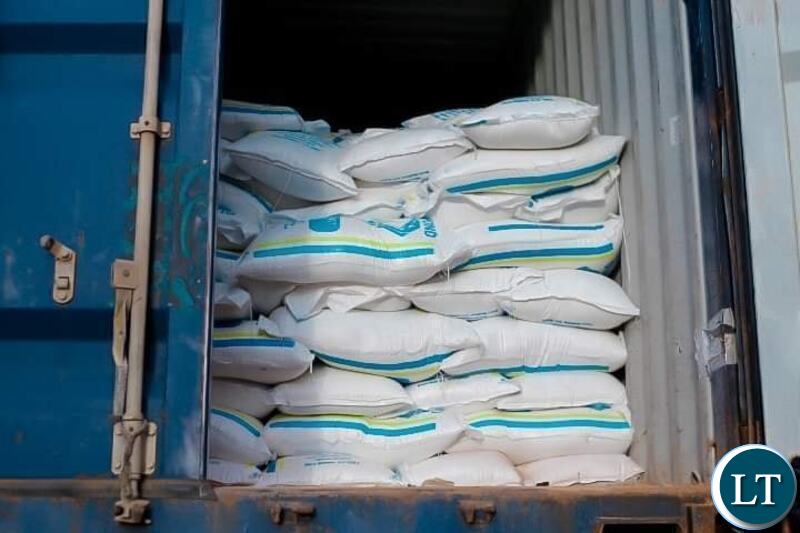
GOVERNMENT REMOVES RESTRICTIONS ON EXPORT OF MAIZE AND MEALIE MEAL TO SUPPORT FARMERS AND CITIZENS
GOVERNMENT REMOVES RESTRICTIONS ON EXPORT OF MAIZE AND MEALIE MEAL TO SUPPORT FARMERS AND CITIZENS
market potential and left them at the mercy of local cartels that dictated low purchase prices. With the new regulations, farmers can now sell their produce to neighboring countries where demand is high and prices are competitive.
“This is the relief we have been waiting for,” said John Mbewe, a large-scale scale farmer from the Central Province. “For too long, we have watched our hard work go to waste or sell for a pittance because we were barred from selling across the border. This move allows us to fetch fair market value, which means we can reinvest in our farms and expand production.”
has seen the country’s grain silos overflow and local prices for maize reach historic lows. By opening up borders to regional markets, the government aims to empower farmers with better prices and stimulate economic growth.
A Win for Farmers
For years, farmers have lamented the export ban, arguing that it limited their market potential and left them at the mercy of local cartels that dictated low purchase prices. With the new regulations, farmers can now sell their produce to neighboring countries where demand is high and prices are competitive.
“This is the relief we have been waiting for,” said John Mbewe, a large-scale scale farmer from the Central Province. “For too long, we have watched our hard work go to waste or sell for a pittance because we were barred from selling across the border. This move allows us to fetch fair market value, which means we can reinvest in our farms and expand production.”
Ensuring Citizen Benefit
While the primary focus appears to be on agricultural exports, the government emphasized that this policy will also benefit ordinary citizens.
Speaking at the press briefing, the Minister of Agriculture stated, “A thriving agricultural sector is the backbone of our economy. By allowing farmers to earn viable incomes, we ensure their sustainability. This, in turn, guarantees long-term food security for our nation. Furthermore, the influx of foreign currency from these exports will help stabilize the local exchange rate, which will ultimately lower the cost of imported goods for the Zambian [or relevant national] consumer.”
The government also assured the public that the removal of restrictions does not come at the cost of national food security. Strategic grain reserves remain at sufficient levels to feed the nation for the next [X] months, and a monitoring committee has been established to ensure that local shelves remain stocked with affordable mealie meal.